Most of us do not like feeling needy.
We apologize when we need help. We feel embarrassed when we are tired. We hide our tears. We push past our limits. We say things like “I’m sorry to bother you” or “I don’t want to be a burden.”
We often treat need as though it is a defect. And when we reach the edge of our capacity—when we cannot fix the problem, quiet the fear, change the person, or secure the future—we assume something has gone wrong. But Scripture tells us dependence is part of original goodness. Perhaps we can put the contrast this way:
Creaturely dependence rests on God’s care.
Anxious dependence strains against the limits he has given.
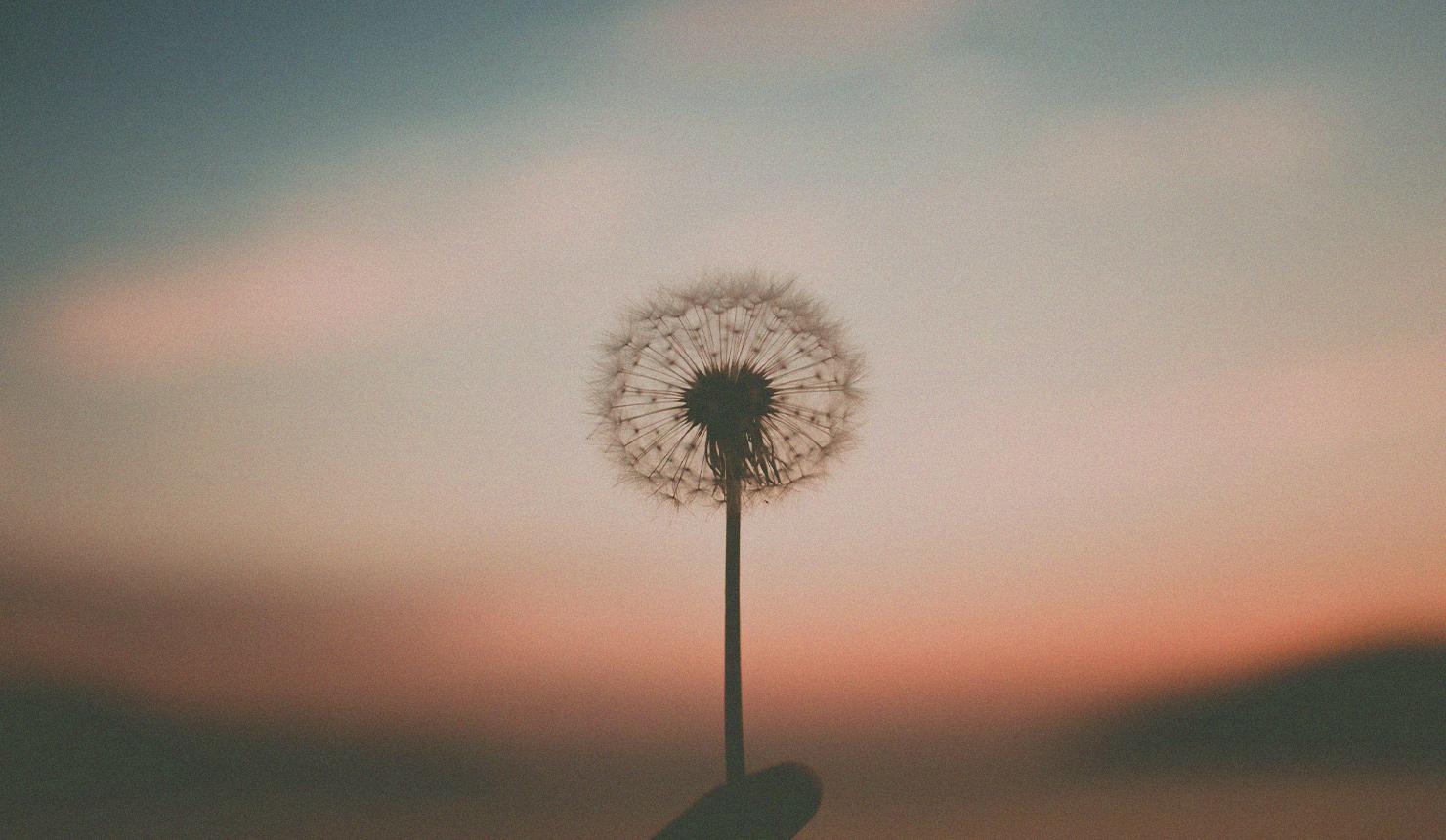
Psalm 103 helps us understand the difference. When David reflects on what it means to be human, he begins with frailty: “As for man, his days are like grass; he flourishes like a flower of the field; for the wind passes over it, and it is gone” (v.15–16). Notice what David is describing: humanity. We are grass. We are flowers, finite and dependent creatures whose lives are brief and whose strength is limited.
We struggle to remember how the Lord fashioned our frame. What we forget about how we came to be, God remembers with compassion. In fact, just in the previous verse, David says, “He knows our frame; he remembers that we are dust” (v.14). God made us to receive life, not manufacture it. He made us to live in the world, not carry it. He gives us today’s breath, today’s strength, today’s manna, today’s mercy. We live by receiving. We depend on him for our next breath. We entrust tomorrow to his care. We bring our needs to our God who supplies grace. As his servants, we love and protect others, while resting in the God who keeps them.
Yet Psalm 103 does not leave us staring at our frailty. The next verse turns our eyes toward the one who sustains limited people: “But the steadfast love of the LORD is from everlasting to everlasting” (v.17). The contrast between the created and the Creator is breathtaking:
Our days are like grass. His love is everlasting.
Our lives pass like flowers. His faithfulness endures through generations.
Our strength fades. His mercy does not.
The hope of Psalm 103 is that our need rests within the care of an everlasting God. This is creaturely dependence. A quiet confidence that we are dust, yet remembered by God whose love outlasts our weakness, our weariness, and even our days.
The problem is that being dependent by design in a fallen world can lead to anxiety. Instead of accepting our limits, we resist them. We begin carrying responsibilities that belong to God. We feel responsible for outcomes we cannot control. We act as though everything depends on us. Sin does not make us dependent. Sin makes us afraid of dependence and takes the good reality—that we need help—and turns it into a fear-inducing demand to manage what only God can manage.
Creaturely dependence says, “I am dust, and God remembers me.”
Anxious dependence says, “I am dust, but I must somehow hold everything together myself.”
One leads to rest. The other leads to exhaustion. Psalm 103 invites us back to the reality of God’s steadfast love. It reminds us that being needy is part of being human.
The clearest proof that human need is part of our designed goodness is the incarnation—that the Son of God became flesh. He became hungry. He became thirsty. He grew tired. He slept. He wept. He prayed. He received care from others. He sought the company of friends in sorrow. He entrusted himself to his Father. In Jesus, we see perfect humanity. And perfect humanity lives in dependence. That should steady us. Spiritual maturity grows when self-reliance shrinks. If the sinless Son of God embraced the realities of creaturely life, we can receive our creatureliness as a gift rather than a struggle to overcome.
Psalm 103 tells us that God remembers that we are dust. The incarnation tells us something even more astonishing. The one who formed the dust entered into it himself. The one whose steadfast love is from everlasting to everlasting took on our frailty, shared our weakness, and walked among us as a true human being. He entered our humanity to restore us to life with God, where we depend upon him for everything. So when you feel frustrated by your need or ashamed of your limits, remember this: God made you to live by receiving. He made you to live as a creature held by his care. Made needy. Made dependent. Made to flourish inside his steadfast love.
•
Want to learn more about what it means to live according to God's design for humanity? Join us this October for our 2026 National Conference, Fully Human: Life as God Designed. Learn more here.