Transcript
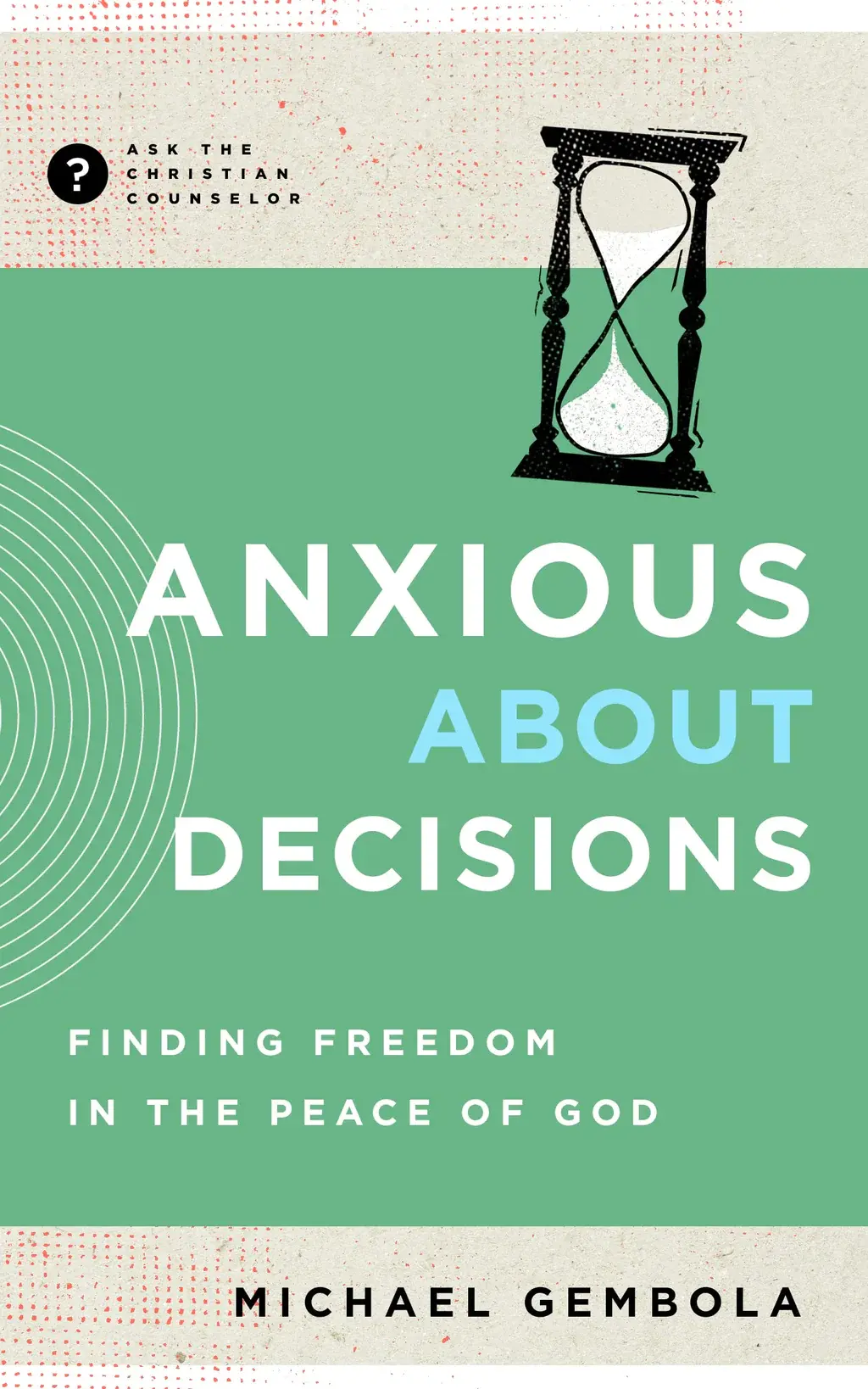
There’s nothing more difficult than having to fight against yourself. And that’s exactly what it’s like to try and make a decision when you are experiencing obsessive doubt. It can show up in the smaller everyday decisions like having trouble deciding what to eat, what to wear, what to purchase, and maybe even whether or not you adequately confessed your sin for that day. And obsessive doubt can show up in those bigger decisions like deciding what college to go to, what house to buy, what job to take, and whether you should marry your significant other.
It’s true that everyone can get stuck from time to time in decision-making, but for those with obsessive doubt, getting stuck is a constant part of life.
Again, to reiterate the challenge here, to make a small or large decision in the midst of obsessive doubt means to quite literally go against yourself, to act contrary to your intuition, your emotions, your perception, and perhaps even your conscience.
With this being the case, I want to highlight the three things that need to happen in order to push through obsessive doubt and to make a decision. Number one, you have to accept your limitations. Number two, you have to trust someone. And number three, you have to take a risk.
The first requirement is a humbling but necessary one. In order to move forward, you have to accept your limitations. To do this is to face the fact that there really is a problem—your decision-making capacity is impaired and possibly unreliable. This is the prerequisite because you have to be convinced that things are broken and unreliable before you can go against what you’re thinking and feeling and perceiving.
Second, you have to trust someone. If you can’t trust yourself because your conscience and feelings and your perceptions are unreliable, it means that you have to offload responsibility to someone else and entrust yourself to them. We see this in action in Psalm 56:3–4. My quick paraphrase of these two verses goes like this: “When I am afraid, I will trust in you, and then I will not act fearfully.” The progression from “being afraid” to “not acting fearfully” all hinges on trust.
And when I say trust someone, that includes both trusting in the person of Christ and trusting in his people. These things go hand-in-hand. To even consider putting yourself in the hands of another person’s perception and reasoning and judgment, you first need to entrust yourself to the One who knows you completely and who loves you perfectly.
Third, you have to take a risk. The line of reasoning here goes like this: If you can’t reliably trust yourself in these moments, and you have to entrust yourself to God and others, you are truly left with an experience of risk-taking. There’s no way around it: To borrow someone else’s faith and reason in order to do things that counter what your judgment is telling you is in fact to embrace risk.
I believe that these three steps can help facilitate movement through obsessive doubt. This is not to say that you will always need to distrust yourself, but it might mean that you will need to do it for a while. And it's possible that over time there will still be certain kinds of decisions that you will need to entrust to others.
To sum things up, to make decisions and move forward while experiencing obsessive doubt, you will need to accept your limitations, you will need to entrust yourself to God and his people, and you will have to become comfortable taking the risk of living by faith and not by sight.